
How Socialization in Early Childhood Shapes Brain Health
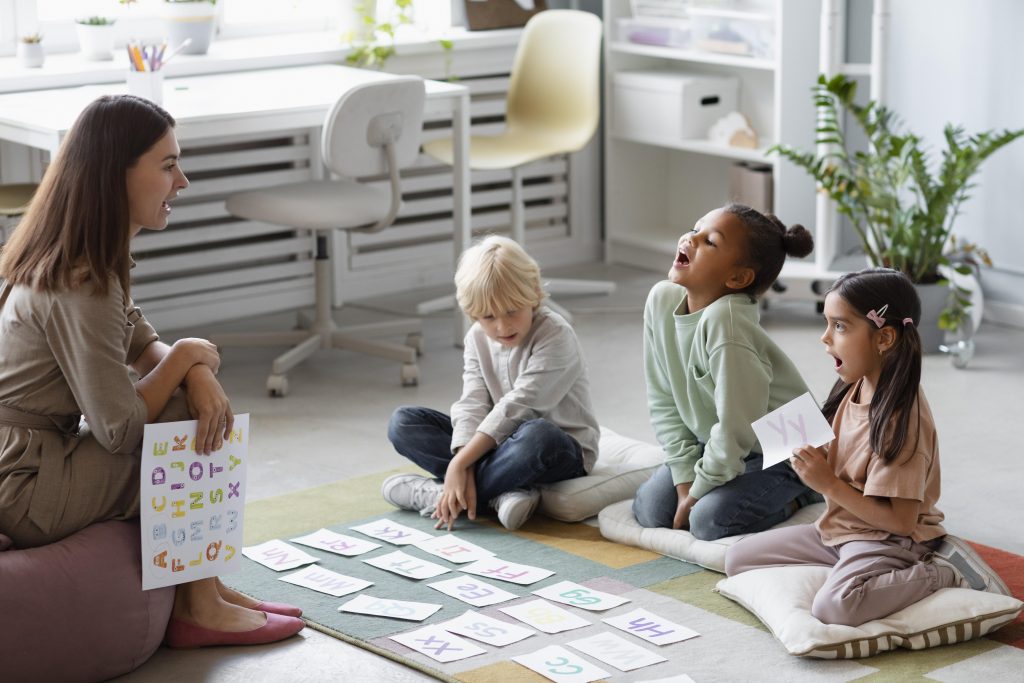
Did you know that more than one million new neural connections form every second during a child’s first few years of life?
These neural connections are shaped by daily experiences and, most importantly, by social interactions with caregivers, family members, and peers.
Early socialization influences behavior but also helps build the foundation for brain development in a child that lasts a lifetime.
In this blog, you will understand the importance of social development in early childhood and how it impacts emotional regulation, communication, and learning. You will also get insights about what milestones parents can expect from infancy through preschool years and some practical ways to encourage healthy social interactions at home and beyond.
Why Socialization Matters in Early Brain Development
Science has shown that the quality of a child’s earliest relationships directly shapes their brain’s architecture. When babies and young children experience the feelings of love, attention, and consistent responses, their brains build a strong pathway for:
- Language development
- Emotional regulation
- Problem-solving skills
- Stress management
On the contrary, limited or negative social experiences can slow down these pathways, making it harder for children to manage emotions, learn effectively, or build healthy relationships later on.
In simple terms, the importance of socialization in child development cannot be overstated.
Positive connections create the building blocks of confidence, resilience, and lifelong learning.
Stages of Social Development in Early Childhood
Infancy (0–12 months): Bonding and Attachment
- Babies rely entirely on parents and caregivers for comfort and safety.
- Smiling, eye contact, and soothing responses help them develop trust.
- Everyday interactions like singing, cuddling, and reading help build secure attachment, the cornerstone of emotional health.
Toddlers (1–3 years): Exploration and Emerging Independence
- Children begin to explore their surroundings while checking back with parents for reassurance.
- Parallel play (playing side by side without much interaction) is common.
- Language blossoms, and toddlers start using words to express needs and emotions.
- Positive guidance at this stage helps encourage independence while reinforcing a sense of emotional security.
Preschool Age (3–5 years): Play and Friendship
- Play becomes the primary tool for learning social skills.
- Children move from parallel to cooperative play, involving role-playing, storytelling, and shared games.
- Friendships begin to form.
- Playing together or sharing toys becomes essential for developing empathy and self-control.
- Preschoolers start to understand rules, take turns, and resolve minor conflicts with parental support.
How Socialization Shapes the Brain
Early social experiences can impact multiple areas of brain development in children:
- Language pathways: Conversations and storytelling help strengthen vocabulary and communication skills.
- Emotional wiring: Warm relationships allow children to be surrounded by happy emotions. They also help regulate stress and build resilience.
- Cognitive flexibility: Group play helps teach problem-solving, creativity, and adaptability.
- Memory and learning: Secure attachments allow children to focus on exploration and learning.
Children well-socialized in the early years of life are more likely to:
- Adjust easily to school
- Form strong peer relationships
- Show higher self-esteem
- Handle life’s challenges with resilience
Practical Tips for Parents and Caregivers
Encouraging healthy social development in early childhood does not require fancy tools; just consistent, caring interaction. You should try the following approaches:
- Bond intentionally: Make eye contact, respond to cries, and spend time in close contact during infancy.
- Model positive behavior: Show kindness, empathy, and problem-solving in your interactions.
- Encourage play: Offer opportunities for free play and structured activities with peers.
- Talk about feelings: Help your child name and express emotions like happiness, frustration, or sadness.
- Set routines: Set daily rhythms to provide security and reduce stress.
- Arrange safe social settings: Playdates, preschool, or group activities help children practice sharing, turn-taking, and cooperation.
- Respect temperament: Some children are naturally shy or slow to warm up, support their pace while gently encouraging new connections.
When to Seek Support
Every child develops at their own pace, but it may be helpful to consult a professional if you notice:
- Limited eye contact or showing a lack of interest in others
- Trouble communicating needs or delayed speech
- Difficulty in adjusting to group play or activities
- Persistent emotional outbursts or withdrawal
Early guidance can make a lifelong difference.
Why Choose Kids Neuro Clinic
At Kids Neuro Clinic, we go beyond treatment; we help children unlock their true potential with compassionate, specialized, and family-centered care. Here’s why families across the UAE trust us:
- Expertise you can trust—Our team includes leading pediatric neurologists, developmental pediatricians, and child psychologists, along with globally trained allied health professionals.
- Comprehensive services under one roof – From pediatric neurology and neurodevelopmental pediatrics to psychology, psychiatry, physiotherapy, speech therapy, occupational therapy, and dietetics.
- Holistic, child-centered care—Every child is unique. We create personalized plans tailored to each child’s developmental, neurological, and behavioral needs.
- Continuum of care – We provide support from diagnosis and treatment to rehabilitation and long-term follow-up, ensuring children receive consistent, high-quality care.
- Future-ready approach: In addition to managing neurological conditions, we help children develop skills that prepare them to thrive socially, emotionally, and academically.
- Compassionate support for families—We understand the challenges you face as a parent and walk with you at every step, offering support, guidance, and treatment.
Our specialists provide assessments and tailored strategies to support brain development in early childhood and healthy social growth.
Nurturing Healthy Minds, Creating Brighter Futures
The importance of socialization in child development goes beyond friendships; it shapes the very wiring of the brain.
Every positive interaction helps children learn, adapt, and thrive from the first smile to the first game.
At Kids Neuro Clinic, we help families nurture kids early, ensuring that they build the emotional, cognitive, and social foundations needed for a bright future.
Healthy connections today mean stronger brains tomorrow.
Book a consultation with Kids Neuro today and give your child the specialized care they deserve.
FAQ
- Encourage playdates and group activities where your child can practice sharing and turn-taking.
- Model good communication skills, listening, kindness, and problem-solving.
- Praise positive interactions to build confidence.
Social development is how children learn to interact with others, manage emotions, communicate, and build relationships. It starts with bonding in infancy and grows into friendships, teamwork, and empathy in later years.
Strong social skills help children:
- Communicate needs and emotions clearly
- Adjust to school and group settings
- Develop empathy, resilience, and self-confidence
- Build healthy, lasting friendships
About kidsneuro
Kids Neuro Clinic, based in Dubai, is one of the UAE’s leading pediatric neuroscience centers, offering expert care for infants, children, and adolescents with neurological, developmental, behavioral, and psychological disorders. Our multidisciplinary team includes top-trained pediatric neurologists, psychologists, and developmental specialists from renowned institutions in the UK, Europe, and the USA, serving families across the UAE and GCC.
Birth Complications and Their Connection to Neurological Disorders in Newborn

The Role of Pediatric Physiotherapy in Cerebral Palsy Management
