How to help a child with developmental delay
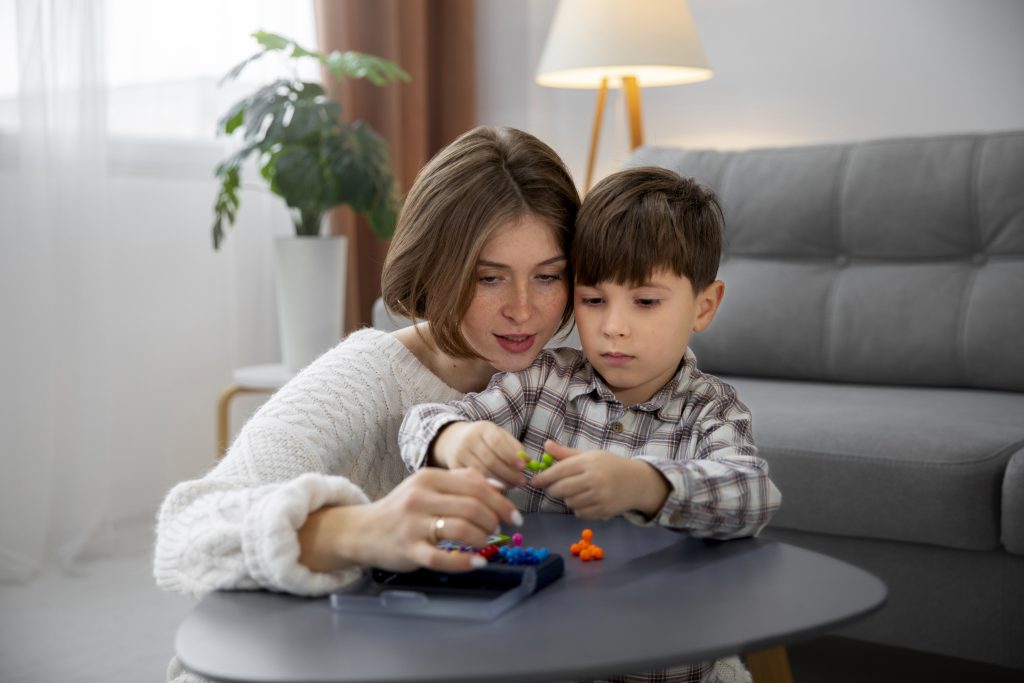
Watching your child grow is an emotional journey filled with wonder, excitement, and sometimes a little anxiety. Every smile, first word, or wobbly step brings joy, but it can also make parents pause and wonder if their child is developing as expected.
It’s important to remember that all children develop at their own unique pace. Some may walk or talk earlier, while others take a little longer, and that’s perfectly normal. Paying attention to your child’s progress helps you understand their unique journey and know when they might need extra support.
Knowing how to help a child with developmental delay begins with patience, understanding, and recognizing that every child develops at their own pace.
What Is Developmental Delay? What Does It Really Mean?
A developmental delay occurs when a child takes longer than expected to reach milestones in one or more areas, such as:
- Movement and coordination
- Speech and language
- Learning and thinking
- Behavior and emotional regulation
- Social interaction
A developmental delay does not always last forever. With early help and the right support, many children make significant progress over time.
Did you know? A child’s brain grows and changes most quickly from birth to age three. This period is when the brain is most adaptable, so early support and therapy can have a significant impact. |
Common Signs of Developmental Delay to Watch For
Start by watching your child closely. Every child grows at their own pace, but certain skills typically emerge around specific ages.
What are the key areas to observe?
- Motor Skills: Difficulty sitting up, crawling, or walking at the expected age
- Speech and Language: Your child may not be babbling by around 12 months or may not be using simple, single words by about 18 months.
- Social and Emotional Development: You might notice limited eye contact, fewer smiles toward familiar faces, or significant difficulty adjusting to changes in routine or activities.
- Cognitive Skills: Children may exhibit reduced curiosity about their surroundings or struggle to understand and follow simple instructions.
Recognizing these signs of developmental delay does not mean that something is wrong. Your child may benefit from additional support to help them progress with confidence.
How to Help a Child with Developmental Delay at Home
Parents play a crucial role in a child’s everyday development. Learning how to help a child with developmental delay at home involves creating a nurturing, structured, and responsive environment.
Simple strategies that make a big difference
- Lead your child, and spend time on specific activities they enjoy. Playing with them helps build their confidence and encourages them to participate.
- Try repeating words, actions, and daily routines to help reinforce learning and understanding.
- Breaking tasks into simple and manageable goals makes activities feel less overwhelming and reduces frustration.
- Acknowledge and praise even small achievements to encourage continued effort.
Above all, consistency and patience play a key role in supporting your child’s development over time.
Developmental Delay Activities That Encourage Growth
Incorporating purposeful developmental delay activities into everyday play can help strengthen neural connections and build a child’s confidence over time.
Activities That Support Fine and Gross Motor Skills
The “Sticky” game is a favorite for many children. Using painter’s tape, you can lightly attach toys to a table or wall and encourage your child to peel them off. This playful task helps build finger strength and improve hand-eye coordination.
You can also create a simple obstacle course using pillows, tunnels, or boxes. Crawling, stepping over, or climbing through objects helps children practice balance, body awareness, and movement planning in a fun, low-pressure way.
Activities for Language and Social Skills
One of the easiest developmental delay activities is simply talking through your day. Narrating actions like “I’m putting on my blue socks,” or “We’re washing our hands now,” exposes children to language in a natural, meaningful context.
Sensory bins are another great option. Filling a container with rice, beans, or sand and hiding small toys inside encourages children to explore. As your child plays, you can name objects together, ask simple questions, or take turns, supporting both communication and social interaction.
Activities That Encourage Cognitive Development
Sorting games are effective for developing thinking skills. Using cups, blocks, or balls, children can group items by color, size, or shape. These simple tasks help develop early problem-solving, attention, and logical thinking.
Regular engagement in developmental delay activities allows children to practice new skills at their own pace, making learning feel natural rather than forced.
Nurturing Your Child’s Growth and Potential Through Coordinated Care
Navigating developmental and neurological challenges requires more than one specialist; it requires collaboration. At Kids Neuro Clinic, every child’s care is approached holistically.
Our team of Western-trained pediatric neurologists, child psychologists, developmental pediatricians, and allied health professionals works together under one roof. From diagnosis to rehabilitation and long-term follow-up, care is personalized, coordinated, and family-centered.
Why Early Professional Support Matters
While developmental delay activities at home play a crucial role, children often make the most significant progress when these efforts are supplemented by professional care.
Depending on your child’s needs, intervention may include:
- Physiotherapy helps children develop muscle strength, improve balance, and move with greater confidence as they grow.
- Speech and Language Therapy focuses on helping children express themselves more effectively, understand language better, and communicate their needs more clearly.
- Behavioral Therapy (ABA) supports the development of social skills while helping children manage emotions and everyday behaviors.
- Occupational therapy focuses on practical life skills, including eating independently, dressing oneself, and engaging in play.
Starting therapy early and tailoring support to your child’s specific needs can lead to meaningful improvements in development over time.
Supporting the Whole Family, Not Just the Child
Helping a child succeed also means supporting parents and caregivers. Learning, open talks, and regular follow-ups help families stay involved.
The Kids Neuro Clinic team, trained in top institutions in the UK, Europe, and the USA, focuses on continuity of care, ensuring families feel supported at every step.
Move Forward With Confidence – Expert Pediatric Neuro Care for Developmental Delay in Dubai
Learning how to help a child with developmental delay is a journey no family should walk alone.
By spotting signs early, staying involved with helpful activities, and getting advice from specialists, children can reach their full potential.
If you are concerned, getting help early can make a real difference. Book a consultation with Kids Neuro Clinic to support your child’s development.
About kidsneuro
Kids Neuro Clinic, based in Dubai, is one of the UAE’s leading pediatric neuroscience centers, offering expert care for infants, children, and adolescents with neurological, developmental, behavioral, and psychological disorders. Our multidisciplinary team includes top-trained pediatric neurologists, psychologists, and developmental specialists from renowned institutions in the UK, Europe, and the USA, serving families across the UAE and GCC.


Unlocking the Power of Speech: How Speech Therapy Can Benefit Your Child