Screen Time for Kids: Practical Screen Time Alternatives That Actually Work
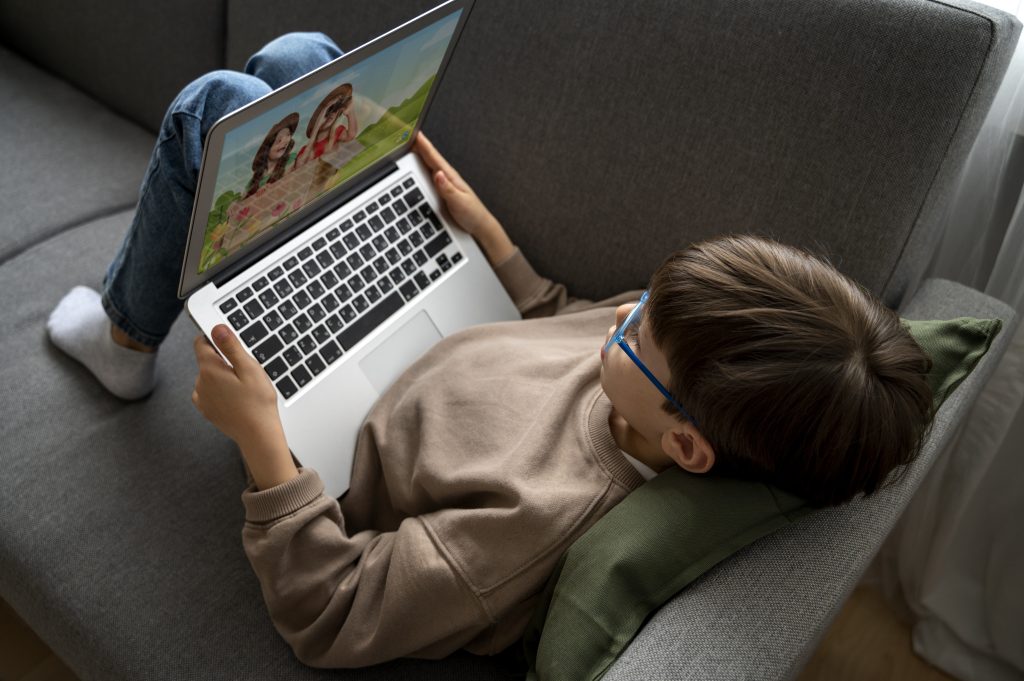
You give your child a tablet so you can finish something quickly. Ten minutes turn into an hour.
You try to take it back. The meltdown starts. Most parents are not trying to raise children on screens. Life is busy. Devices are easy.
But when screen time for kids starts replacing sleep, play, reading, and family conversations, you feel it. Your child feels it too. Let’s talk honestly about what’s happening, the real facts about screen time, and simple screen time alternatives that work in real homes.
Why Screen Time for Kids Feels So Hard to Control?
Screens are designed to hold attention. Fast images. Bright colors. Endless scrolling.
Children’s brains are still developing. Self-control, emotional regulation, and focus are not fully mature, especially in younger children and in kids with ADHD. That makes limits harder for them and for you. When screen time becomes the main source of entertainment, children may struggle with:
- Short attention span.
- Irritability when devices are removed.
- Delayed sleep.
- Reduced physical activity.
- Less interest in offline play.
These are not just opinions. They are consistent facts about screen time reported by pediatric organizations and supported by research on child development.
Facts About Screen Time Every Parent Should Know
Let’s keep this simple and clear.
- More than 2 hours of recreational screen time daily is linked to sleep problems in school-aged children.
- Excessive screen time for kids is associated with increased behavioral issues in some children.
- Blue light exposure at night delays melatonin release, which makes falling asleep harder.
- High screen exposure in early childhood may affect language development when it replaces conversation and interactive play.
This does not mean screens are evil. It means balance matters. The real issue is not the screens themselves. It is what they replace.
Is All Screen Time for Kids the Same?
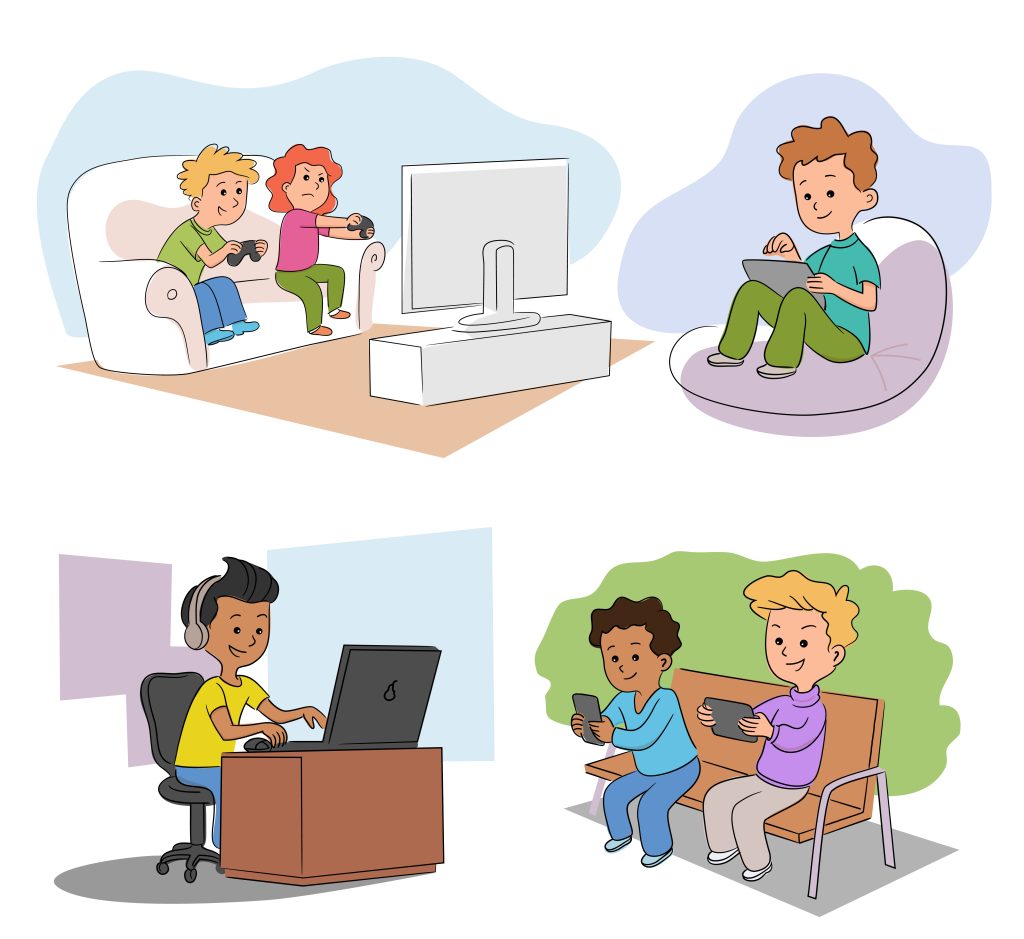
No. A video call with grandparents is different from endless gaming. A structured educational program is different from random scrolling. Still, even “good” content should not take over your child’s day. Kids need movement. They need boredom. They need face-to-face interaction.
Ask yourself one question: If screens disappeared tomorrow, what would fill your child’s time? If you don’t like the answer, this is your moment to reset.
When Screen Time Becomes a Bigger Concern?
Seek professional advice if you notice:
- Aggressive behavior when screens are removed.
- Complete loss of interest in offline activities.
- Severe sleep disruption.
- Decline in school performance.
- Social withdrawal.
These signs may indicate that screen habits are affecting emotional or cognitive health.
Screen Time Alternatives That Feel Realistic
Parents often say, “I tried limiting screens, but I don’t know what to offer instead.”Here are screen time alternatives that actually hold attention.
1. Movement First
Children regulate their emotions through movement.
Try:
- Indoor obstacle courses.
- Jump rope challenges.
- Bike rides.
- The Short family walks after dinner.
- Dance breaks with them.
Physical activity is one of the most effective activities to reduce screen time because it naturally shifts energy.
2. Hands-On Play
Hands keep minds busy.
Ideas:
- Building blocks.
- Lego challenges.
- Clay modeling.
- Simple cooking tasks.
- Craft stations.
You do not need complicated materials. A cardboard box can become a spaceship.
3. Quiet Play That Builds Focus
Some children rely on screens because they struggle with independent play.
Support them with:
- Puzzles.
- Coloring books.
- Audiobooks.
- Reading corners.
- Journaling for older kids.
These activities to reduce screen time also strengthen attention skills.
4. Social Alternatives
Screens often replace connection.
Instead try:
- Playdates.
- Family board game nights.
- Storytelling games.
- Helping with household tasks.
Children who feel connected are less likely to demand constant digital stimulation.
How to Reduce Screen Time Without Daily Battles?
Here is what works in real families.
Set Clear Limits
Decide the daily limit before handing over the device. Say it clearly. Stick to it. Consistency builds trust.
Use a Routine
Children accept limits better when they are predictable.
Example:
- Homework.
- Outdoor play.
- Dinner.
- 30 minutes of screen time.
- Bedtime routine.
When screens are part of a structure, they feel less powerful.
Remove Screens From Bedrooms
This single step improves sleep dramatically. No tablets. No phones. No TVs.
Pro-Tips for a Tantrum-Free Transition
We know the moment you reach for the remote, the screaming starts. Try these “neuro-friendly” strategies to keep the peace:
- The 5-Minute Warning: Don’t just click “off.” Give them a countdown so their brain can prepare for the transition.
- Natural Stopping Points: Instead of “10 minutes,” say “You can watch until this episode ends.” It feels more fair to them.
- Model the Behavior: If we’re scrolling on our phones while telling them to go play, they notice. Try a “Family Tech Basket” where everyone puts their devices during dinner.
What If Your Child Has ADHD or a Neurological Condition?
At Kids Neuro Clinic, we often see children with ADHD, epilepsy, learning difficulties, and developmental delays. For children with ADHD, screen time can be especially intense because digital content provides rapid stimulation. This can increase dependency and reduce tolerance for slower activities, such as homework or reading.
Children with epilepsy may also need structured routines and careful management of sleep. Excessive screen exposure, especially late at night, may affect sleep patterns. If your child already struggles with focus, behavior, or emotional regulation, limiting screens is not about punishment. It is about protecting brain development.
We’re Here to Help!
At Kids Neuro Clinic in Dubai, we work closely with families to understand how screen habits interact with attention, sleep, behavior, and neurological conditions.
We assess:
- Attention skills.
- Emotional regulation.
- Sensory needs.
- Family routines.
Then we build realistic plans that fit your child’s brain and your daily life. If you feel overwhelmed trying to manage screen time for kids, you are not alone. With the right structure and support, change is possible.
Frequently Asked Questions
Most experts recommend limiting recreational screen time to about 1 hour per day for young children and no more than 2 hours for school-aged children, outside of educational needs.
Yes. Removing screens at least one hour before bedtime improves melatonin release and helps children fall asleep faster.
Outdoor play, puzzles, building toys, audiobooks, and helping with small household tasks are practical screen time alternatives that work in everyday life.
About kidsneuro
Kids Neuro Clinic, based in Dubai, is one of the UAE’s leading pediatric neuroscience centers, offering expert care for infants, children, and adolescents with neurological, developmental, behavioral, and psychological disorders. Our multidisciplinary team includes top-trained pediatric neurologists, psychologists, and developmental specialists from renowned institutions in the UK, Europe, and the USA, serving families across the UAE and GCC.


Behavioral Therapy for ADHD: What Is It and How Does It Work?