Why does my child zone out? Understanding the overlooked signs of seizures
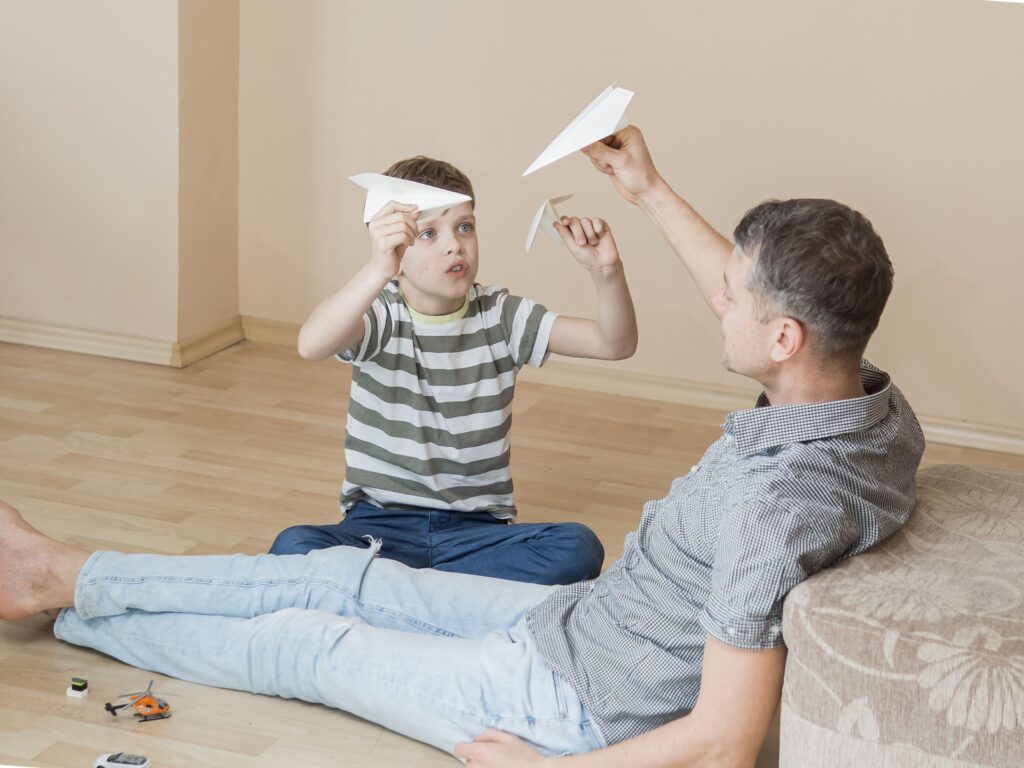
Has your child ever suddenly stared blankly, stopped responding, or seemed momentarily disconnected—even for just a few seconds?
While it might appear like daydreaming or a simple distraction, these episodes could be a sign of something more. Absence seizures in babies and young children are often overlooked because they don’t involve convulsions or dramatic symptoms.
In this blog, we’ll explore what causes these fleeting “zoning out” moments, how to recognize the subtle signs of absence seizures in babies and children.
What is an absence seizure?
An absence seizure is a brief, sudden lapse in awareness and responsiveness that typically lasts just a few seconds. It often looks like the person is “zoning out” or staring blankly into space.
Children with absence seizures may:
- Suddenly stop speaking or moving for a few seconds
- Blink rapidly or make small repetitive movements
- Appear dazed and unresponsive
- Resume activity afterward without realizing anything happened
These seizures are most common in children, especially between the ages of 4 and 14, but can also occur in babies and adults.
What are the signs of absence seizures in babies and children?
Absence seizures in babies and children are often subtle and easy to miss. Unlike convulsive seizures, they usually don’t involve dramatic movements, which is why they are often mistaken for daydreaming or distraction.
Here are the key signs of absence seizures in babies and children to watch for:
- Sudden staring or “zoning out”: The child stops what they’re doing and stares blankly into space for a few seconds.
- No response during the episode: The child won’t react to voices, touch, or sounds during the seizure.
- Complete pause in activity: The child may stop mid-sentence, stop walking, or freeze in place.
- Subtle movements: There may be fluttering of the eyelids, head nodding, or repetitive movements like lip smacking or hand gestures.
After the seizures:
- The child may continue what they were doing as if nothing happened.
- They might not realize anything unusual occurred.
- Some may feel like they missed something, but many children feel completely normal right after.
If your child shows any of these signs repeatedly, especially several times a day, it’s important to consult a pediatric neurologist to rule out absence seizures and explore appropriate treatment.
What triggers absence seizures in babies and young children?
Absence seizures can occur without any clear warning, but certain factors may increase the likelihood of a seizure episode in children. These triggers don’t cause the condition itself, but can make seizures more likely to happen:
- Bright, flashing lights
- Fatigue or lack of sleep
- Stress or emotional strain
- Breathing deeply and fast (hyperventilating)
- Long gaps between meals or sudden drops in blood sugar
What to do if your child has an absence seizure?
When your child experiences an absence seizure, the most important thing is to stay calm and ensure their safety. These seizures are usually brief, but your presence and awareness can make a big difference.
If your child experiences an absence seizure, follow these steps:
- Stay calm and remain by your child’s size
- Gently time the seizure to monitor its duration
- Don’t grab or hold your child
- Explain the situation to others nearby
- Keep your child safe from any potential hazards
How is an absence seizure treated?
Absence seizures are treatable, and with the right care, most children can go on to lead normal, healthy lives. A pediatric neurologist will create a personalized treatment plan based on the child’s specific needs.
- Medication: Anti-seizure medications are often the first line of treatment. These help regulate brain activity and significantly reduce the frequency of absence episodes.
- Lifestyle adjustments: Maintaining a regular sleep schedule, managing stress, staying well-hydrated, and avoiding known triggers can make a noticeable difference in seizure control.
- Regular monitoring: Ongoing follow-ups, including EEG tests, are essential to track progress, adjust medication if needed, and ensure the treatment continues to be effective.
What happens if absence seizures go untreated?
If left untreated, absence seizures—especially in children—can lead to several issues:
- Learning difficulties due to frequent lapses in attention
- Developmental delays in speech, cognition, or social skills
- Behavioral problems like frustration, anxiety, or withdrawal
- Increased seizure frequency or longer episodes over time
- Risk of injury during activities
- Progression to other types of seizures in some cases
Visit Kids Neuro Clinic for absence seizure management in Dubai
At Kids Neuro Clinic, we understand the worry of seeing your child experience absence seizures. As one of the first specialized pediatric neuroscience centers in Dubai, we are committed to providing expert, compassionate care tailored specifically to children and young individuals.
Our multidisciplinary team—including specialists in pediatric neurology, neuro diagnostics, and child psychology—works together to ensure accurate diagnosis, effective treatment, and continuous support for your child and your family.
FAQs
If your baby frequently zones out with a blank stare and becomes briefly unresponsive, it might be more than just daydreaming. These could be absence seizures, which are often subtle and easy to miss in young children.
No, during an absence seizure, your child is not aware of their surroundings. They will appear to stare blankly and won’t respond to touch, sound, or their name until the episode passes.
Absence seizures are very brief, usually lasting between 5 and 15 seconds. However, they can happen several times a day, often going unnoticed without close observation.
Children can experience various types of seizures, including absence seizures, tonic-clonic seizures (with full-body shaking), myoclonic seizures (sudden jerks), atonic seizures (sudden loss of muscle tone), and focal seizures, which affect one part of the brain and may or may not alter awareness.
About kidsneuro
Kids Neuro Clinic, based in Dubai, is one of the UAE’s leading pediatric neuroscience centers, offering expert care for infants, children, and adolescents with neurological, developmental, behavioral, and psychological disorders. Our multidisciplinary team includes top-trained pediatric neurologists, psychologists, and developmental specialists from renowned institutions in the UK, Europe, and the USA, serving families across the UAE and GCC.
Sleep Problems in Children with Autism and Ways to Improve It